
Home / Concerns / Atopic Eczema
Skin Concern
Atopic Eczema
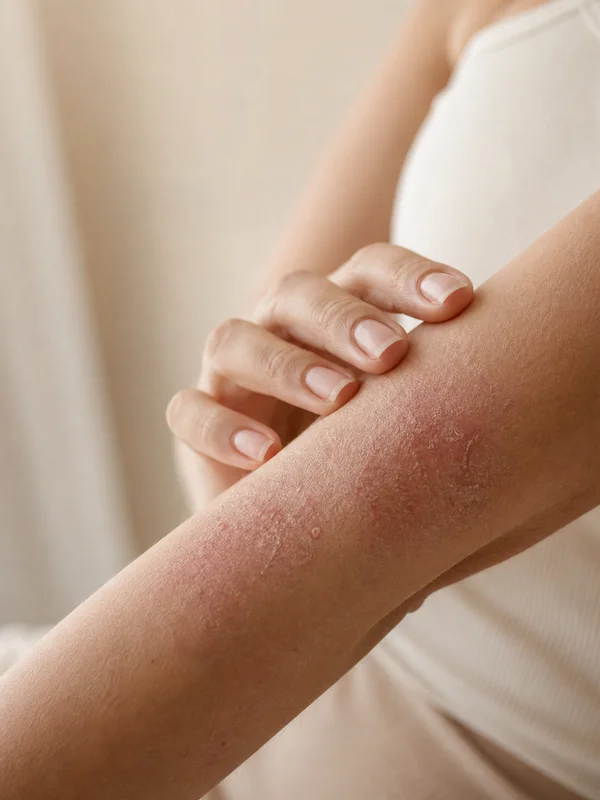
Atopic eczema is characterized by dry, itchy and inflamed skin that flares periodically. At SKIN, we focus on restoring the skin barrier with gentle, calming treatments and specially selected products.
4.9 Google Rating · Free, no-obligation consultation
What is Atopic Eczema and who is it for?
Atopic eczema is characterized by dry, itchy and inflamed skin that flares periodically. At SKIN, we focus on restoring the skin barrier with gentle, calming treatments and specially selected products.
Signs
Symptoms & signs
- Dry, itchy skin
- Red, inflamed patches
- Flaking or scaling
- Thickened skin from scratching
- Periodic flare-ups
- Sensitive, reactive skin
Treatments
How do we treat it?
Our range of treatments, tailored to your skin and concerns.
Before & After
Real client results — no retouching, no filters.
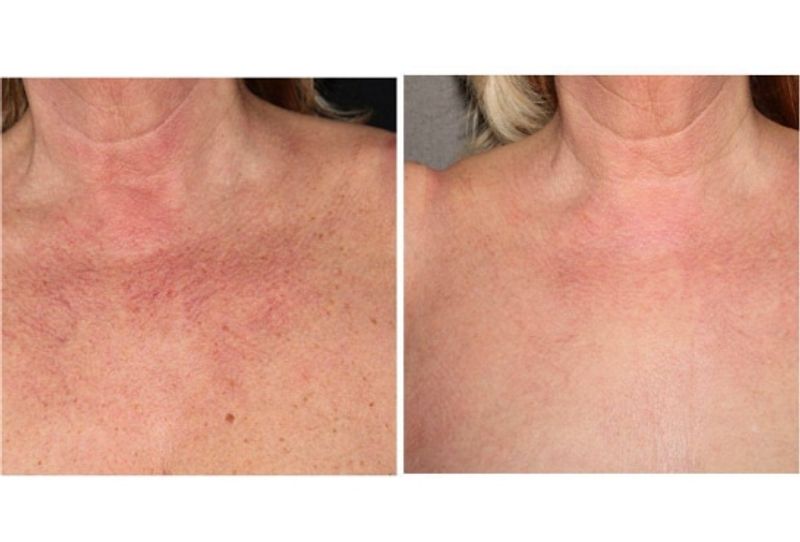
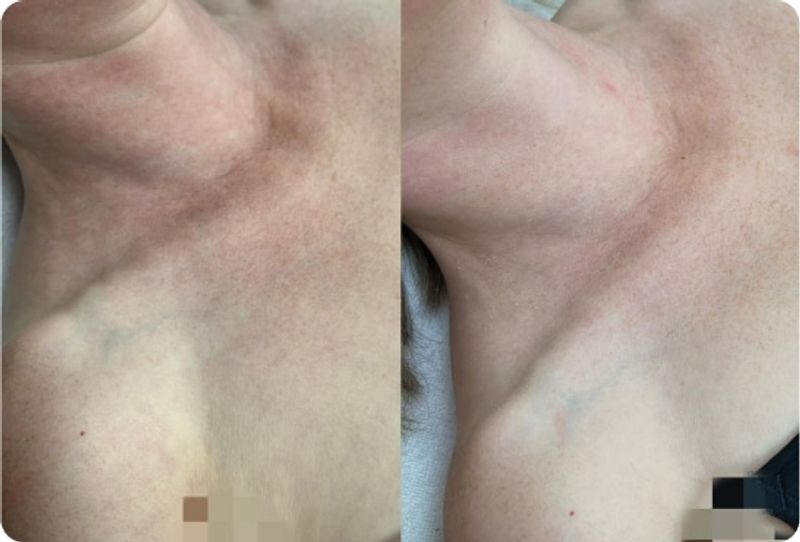
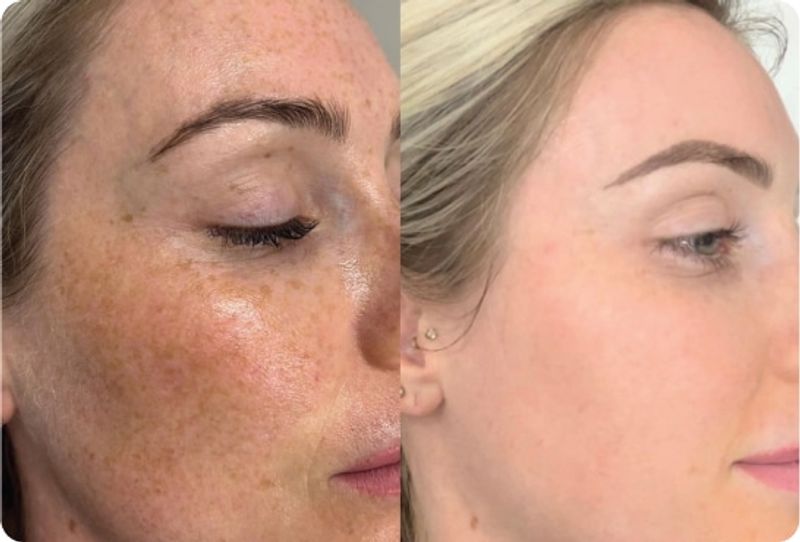
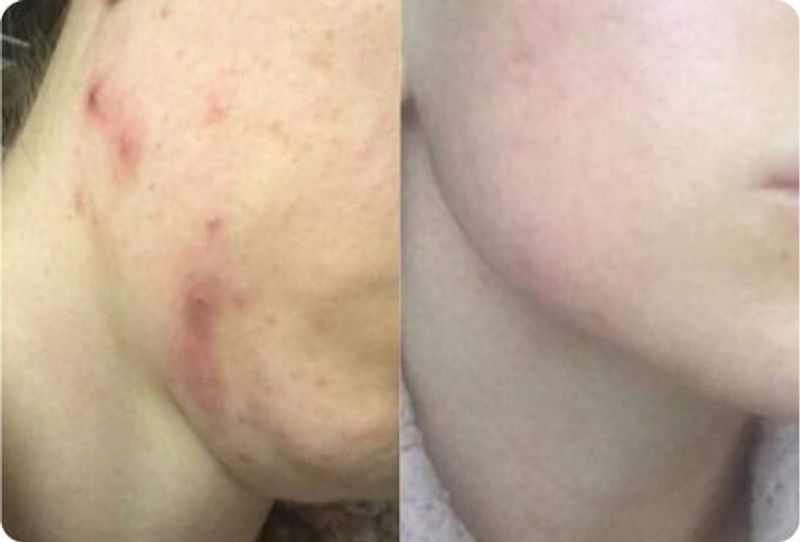
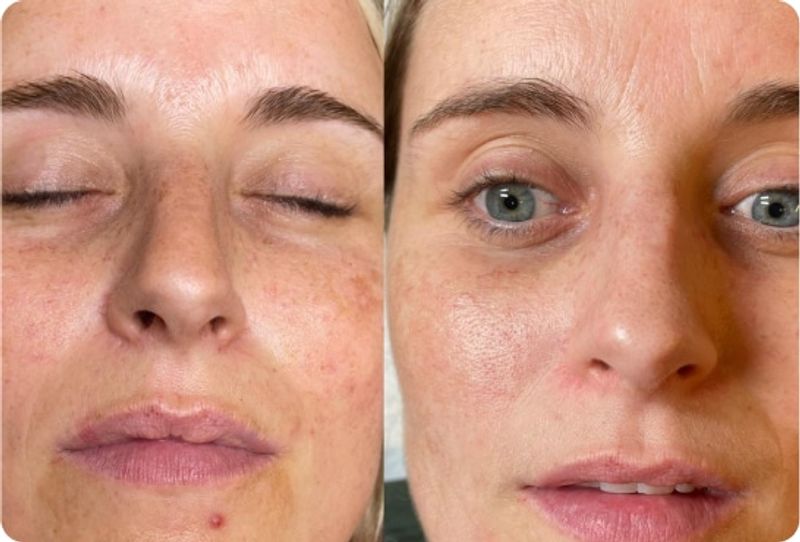
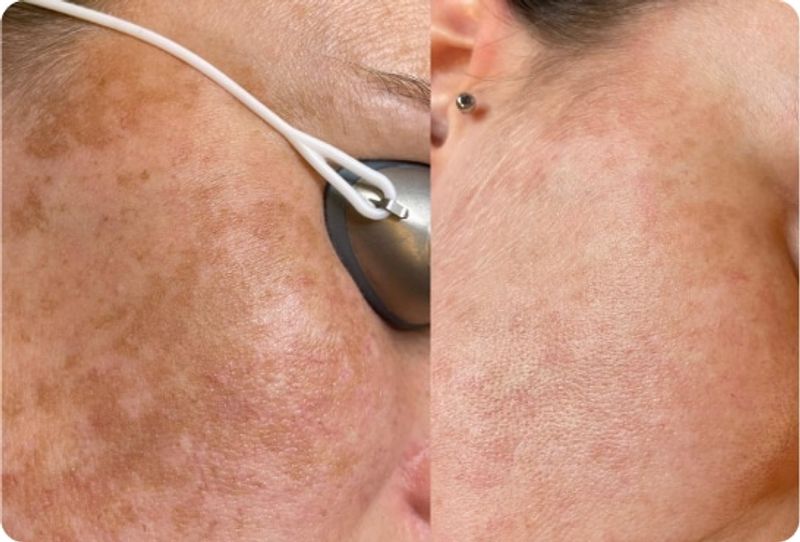
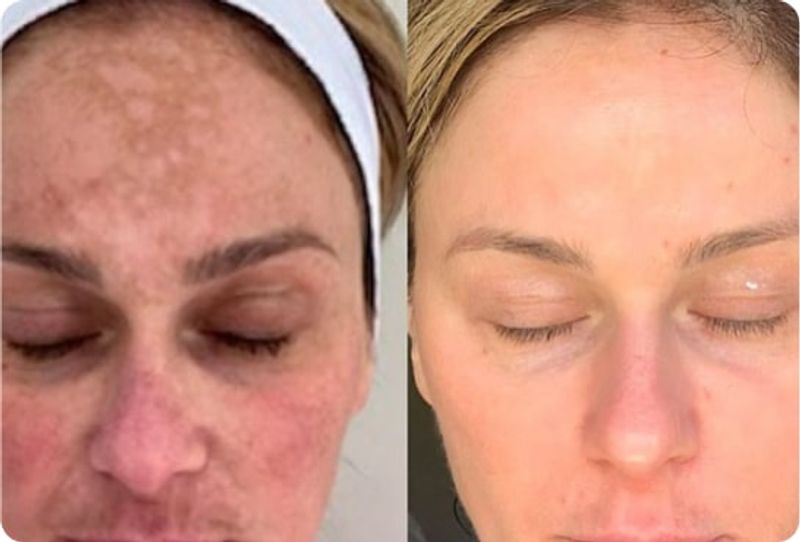
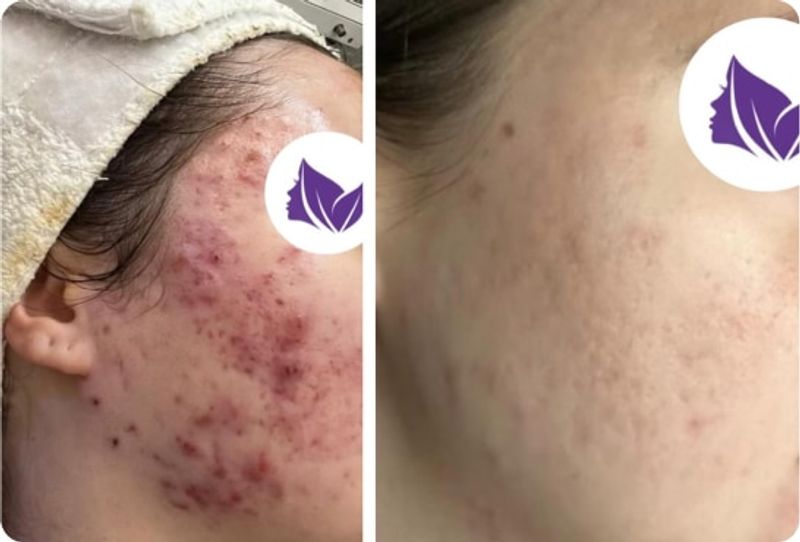
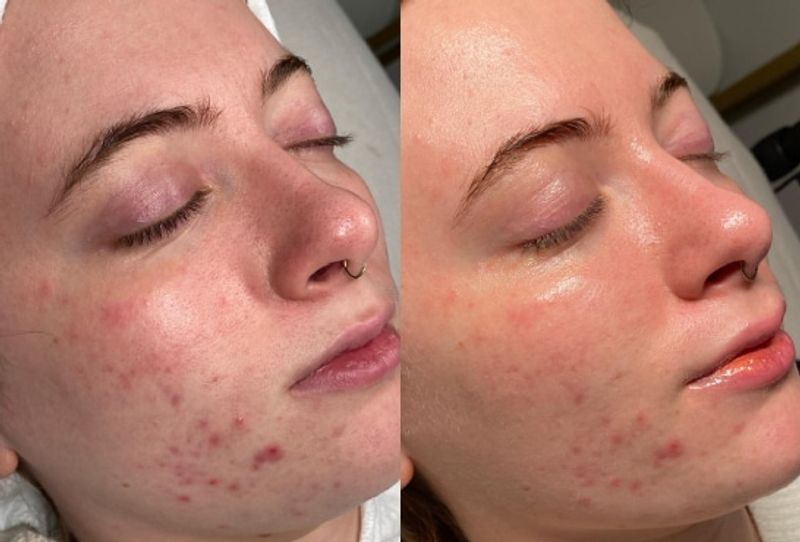
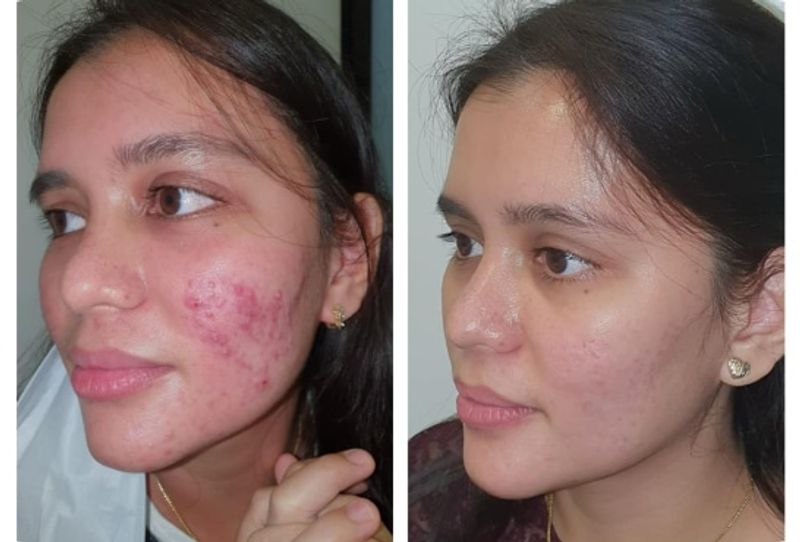
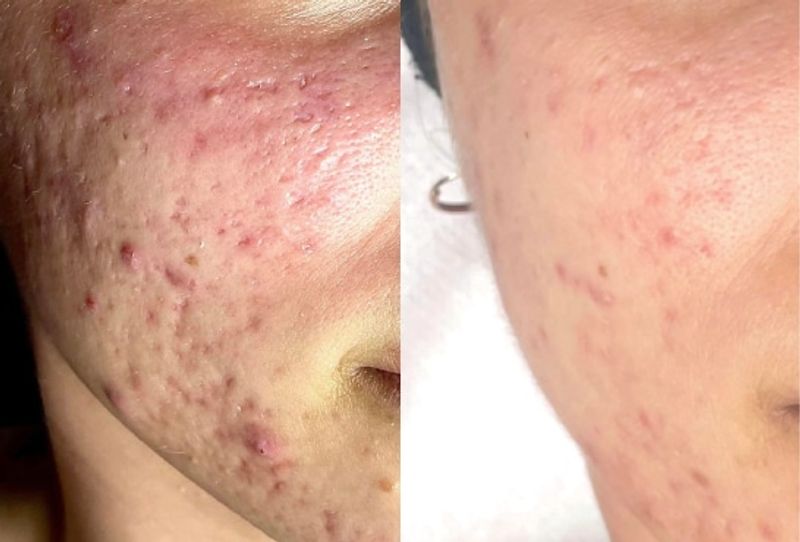
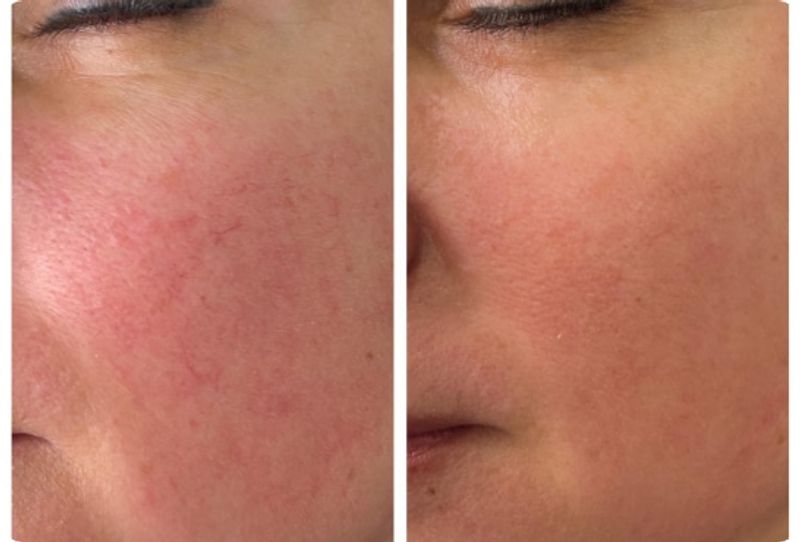
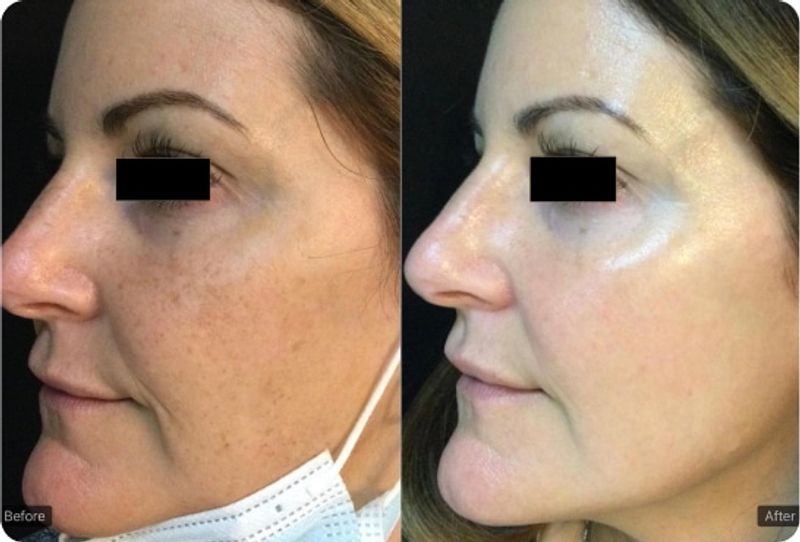
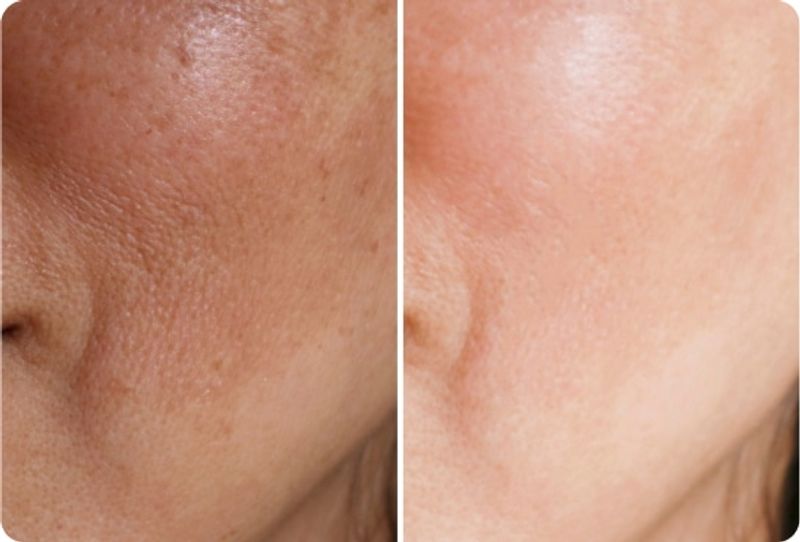
Atopic eczema
Your journey
What can you expect?
- 1
STEP ONE
Consultation
A personal conversation about your skin, concerns and medical background — the foundation for a tailored treatment.
- 2
STEP TWO
Analysis
Our skin specialists analyze your skin type and condition to determine the right treatment protocol.
- 3
STEP THREE
Treatment
Your treatment is performed using the latest technologies and premium products for optimal results.
- 4
STEP FOUR
Aftercare
After your treatment, you receive personalized product advice to maintain your results at home.
Questions? We have answers.
What is atopic eczema and how do I recognise it?
Atopic eczema (also called atopic dermatitis) is a chronic, non-contagious inflammatory skin reaction. It is characterised by dry, itchy, red and flaky patches that can flare up. In children it often appears in the elbow creases, behind the knees and on the cheeks. In adults the patches appear more commonly on the hands, wrists and neck. Atopic eczema is part of the 'atopic triad' together with asthma and hay fever. The condition has a genetic component and is associated with a disrupted skin barrier.
Who gets atopic eczema?
Atopic eczema affects people of all ages but most often begins in childhood: an estimated 10 to 20 percent of children are affected. In most children it improves as they get older, but some continue to have it as adults or develop it for the first time in adulthood. People with a family history of eczema, asthma or hay fever have a higher chance of atopic eczema. It affects all skin tones, though symptoms may look different on darker skin.
What are the triggers of atopic eczema?
Atopic eczema has many potential triggers: soap, fragrance and chemicals in skincare, wool and synthetic fabrics, house dust mites, pet hair, pollen, moulds, stress, extreme temperatures (both cold and heat), sweating, certain foods (in some people), skin infections from bacteria or viruses and dry air from heating. Triggers differ per person. Our skin therapist helps you identify your personal triggers.
Which treatments does SKIN offer for atopic eczema?
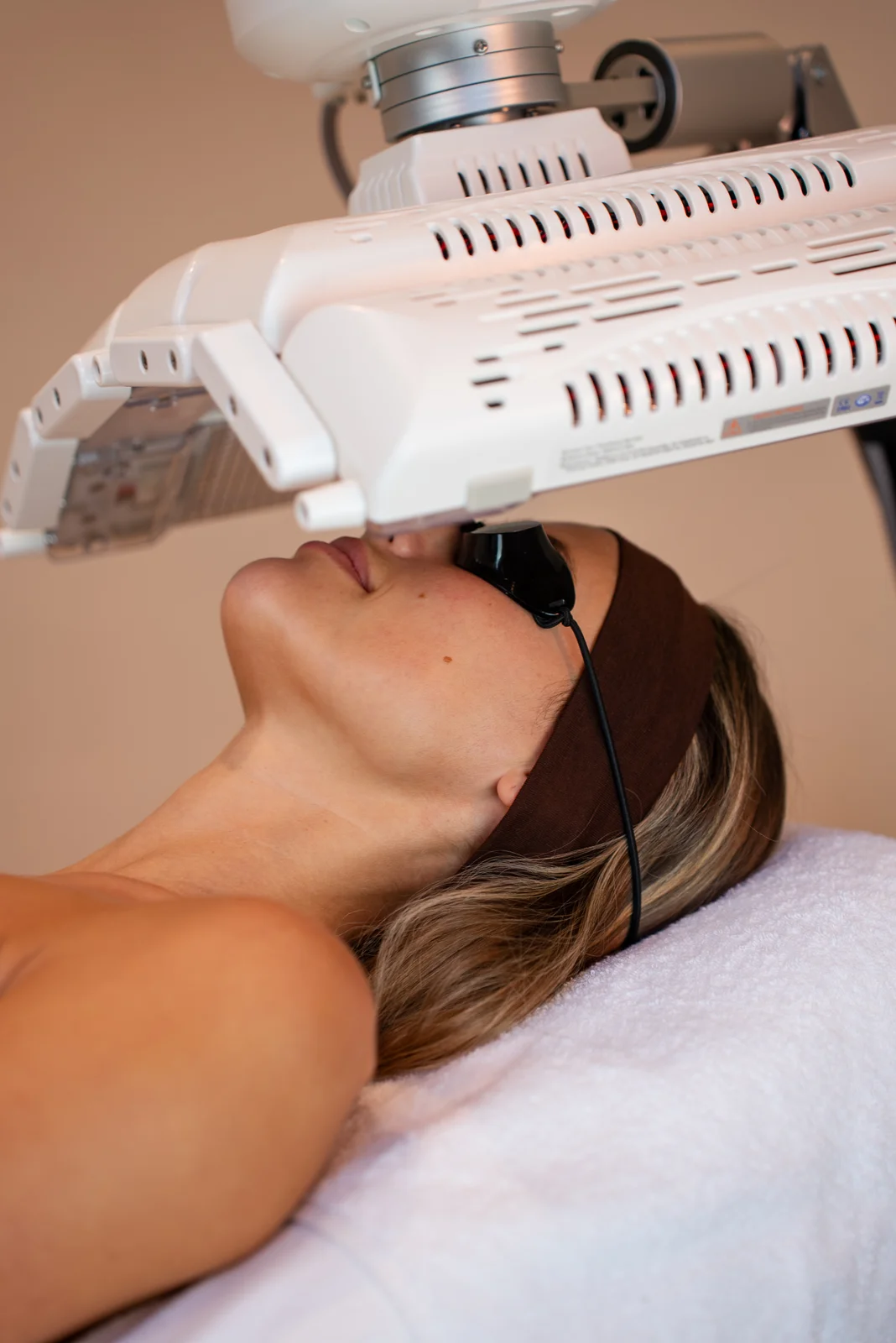
For active atopic eczema (a flare-up) we treat at SKIN with calming, barrier-restoring protocols. Our skin therapist uses gentle hydrating masks, LED light therapy with red or yellow light (calms inflammation, strengthens barrier) and the Plason Facial protocol at the lowest intensity to support the skin barrier. We avoid exfoliating and peeling treatments during an active flare-up. During calm periods we can work on skin recovery and barrier strengthening. SKIN also collaborates with the GP where needed.
What helps best at home with atopic eczema?
Daily and generous application of a fragrance-free, ceramide-rich moisturiser or emollient is the cornerstone of eczema home care. Shower or bathe in lukewarm water (not hot) for a maximum of 10 minutes. Use only gentle, fragrance-free soaps. Wear breathable, cotton clothing. Avoid scratching: cool itchy areas with a cold damp cloth. Sleep in a cool room where possible. Our skin therapist also provides specific product advice for home use at intake.
Is atopic eczema contagious?
No, atopic eczema is absolutely not contagious. It is an immune-related condition with a genetic basis, not an infection. You cannot transmit it to others and you cannot contract it from someone with eczema. It is also not a sign of poor hygiene. Our skin therapist applies the same hygiene protocols as with all clients; there is no additional risk to others.
Which make-up is safe with atopic eczema?
Choose hypoallergenic, fragrance-free make-up without alcohol, colourants or irritating preservatives. Mineral make-up is generally well-tolerated with eczema. Always do a patch test on a small area of skin before applying a new product to your face. Always remove make-up thoroughly with a gentle, fragrance-free method. Apply a moisturising cream immediately after cleansing. Our skin therapist is happy to give specific advice for eczema.
Is treatment at SKIN safe during pregnancy if I have atopic eczema?
Pregnancy can both improve and worsen atopic eczema due to hormonal changes. Calming treatments such as gentle hydrating masks and LED therapy are generally safe. Our skin therapist fully adapts the protocol for pregnant clients with eczema and avoids anything that could trigger irritation. Always discuss it with your midwife or GP. SKIN is happy to collaborate with your medical team.
Get advice from our specialists
Every skin concern deserves a personalised approach. Book a free, no-obligation consultation and discover which treatment suits you best.