
Home / Concerns / Hyperpigmentation
Skin Concern
Hyperpigmentation
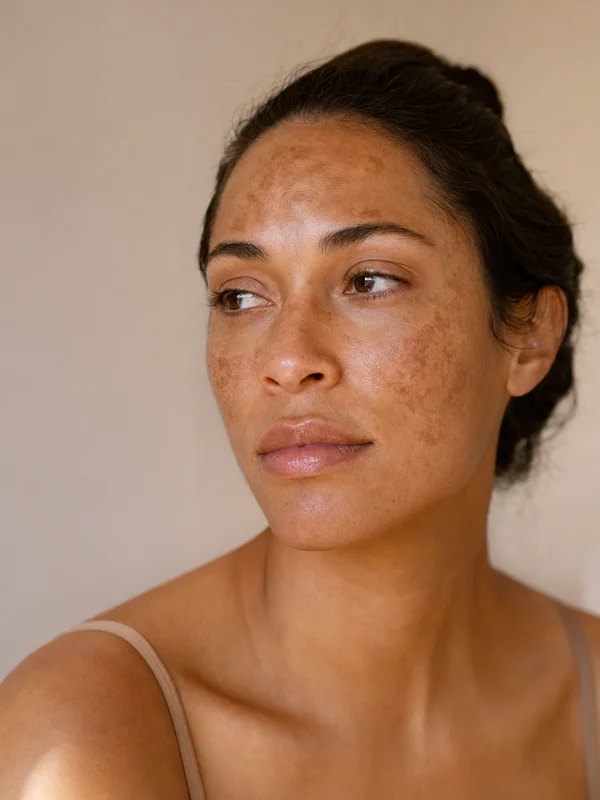
Hyperpigmentation appears as dark spots, uneven tone or melasma — often caused by sun, hormones or inflammation. At SKIN, we use Cosmelan, chemical peels and targeted serums to gradually even out your complexion.
4.9 Google Rating · Free, no-obligation consultation
What is Hyperpigmentation and who is it for?
Hyperpigmentation appears as dark spots, uneven tone or melasma — often caused by sun, hormones or inflammation. At SKIN, we use Cosmelan, chemical peels and targeted serums to gradually even out your complexion.
Signs
Symptoms & signs
- Dark spots on face
- Uneven skin tone
- Melasma patches (cheeks, forehead)
- Post-acne dark marks
- Sun spots
- Discoloration after inflammation
Treatments
How do we treat it?
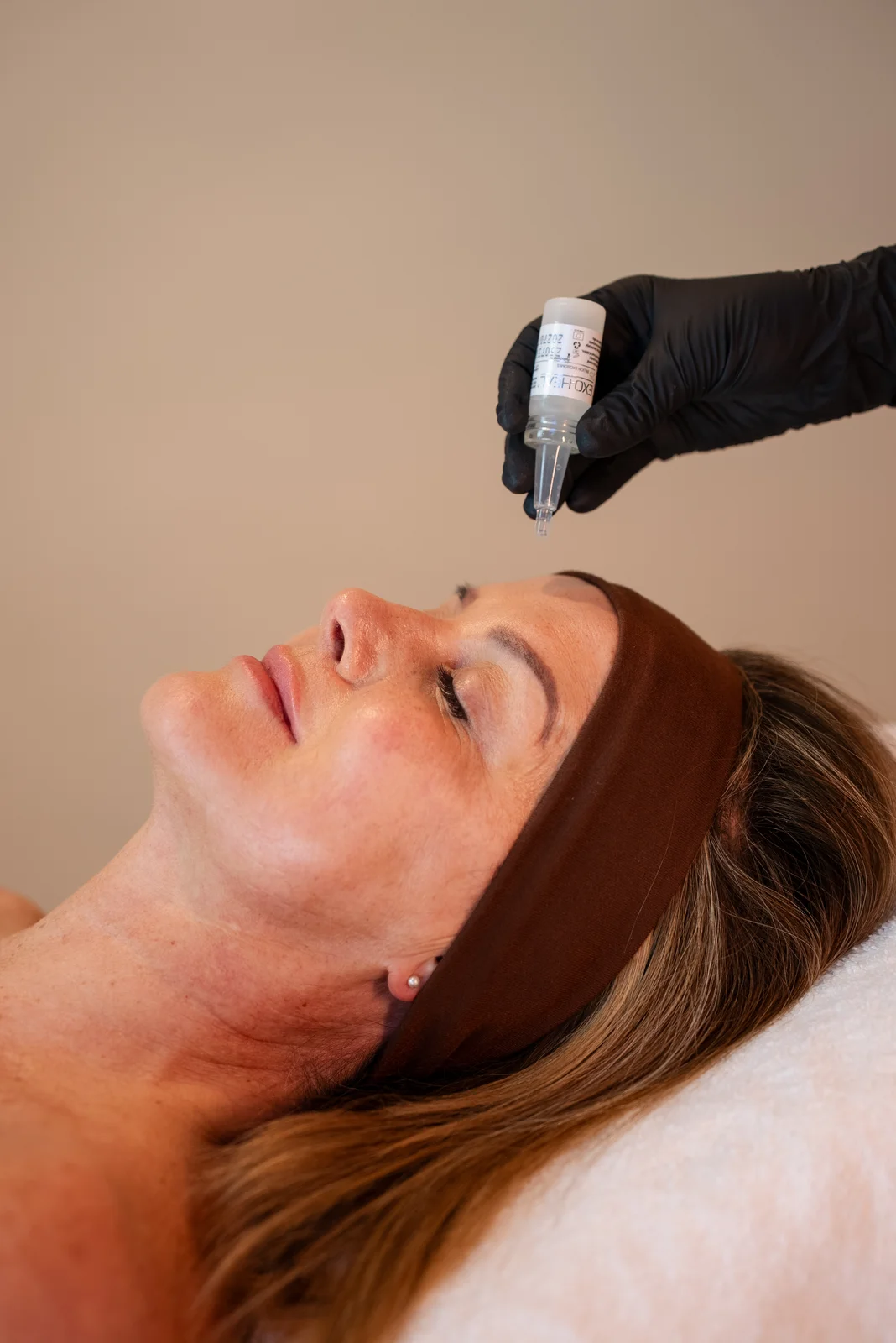
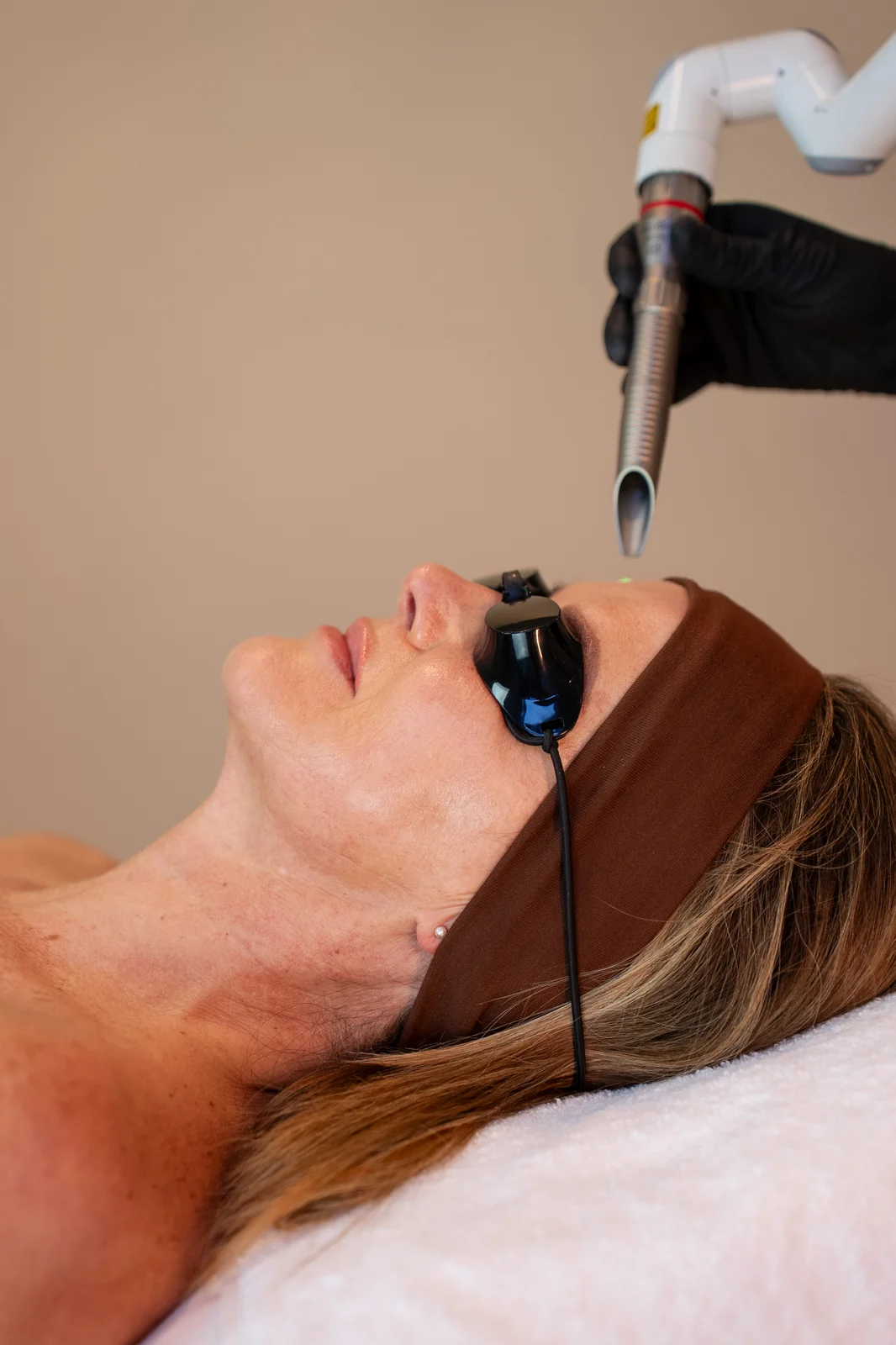
Our range of treatments, tailored to your skin and concerns.
Before & After
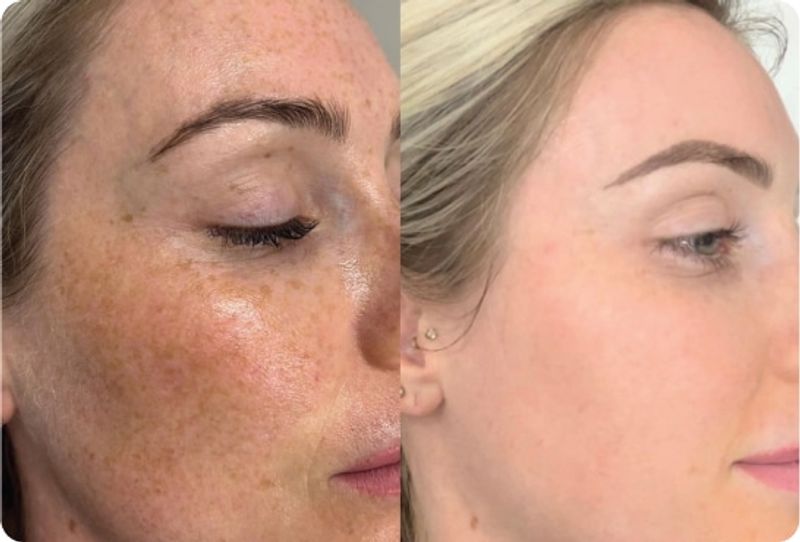
Real client results — no retouching, no filters.
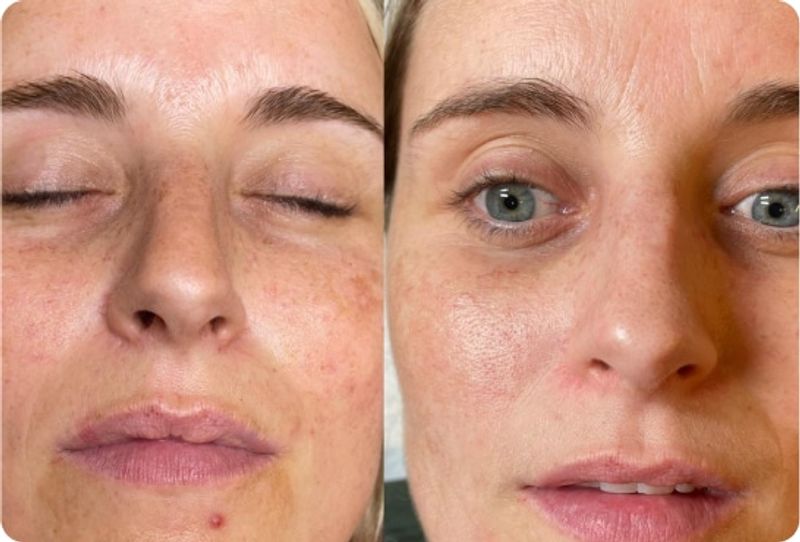
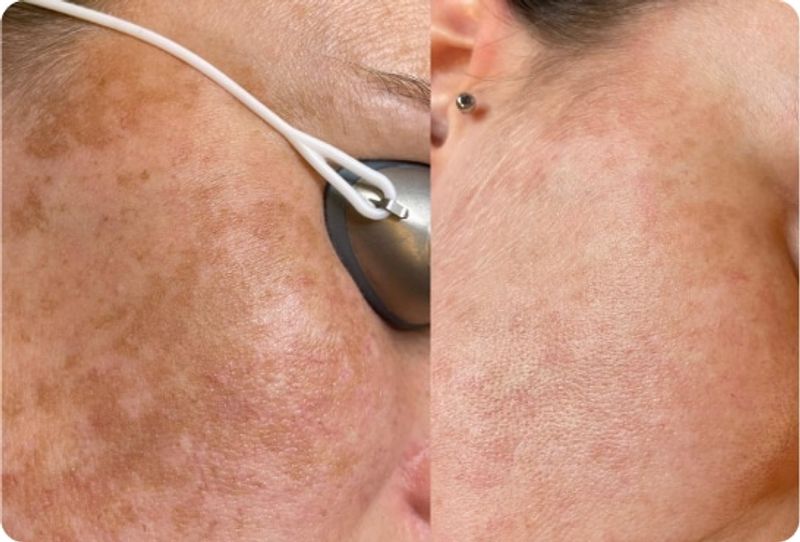
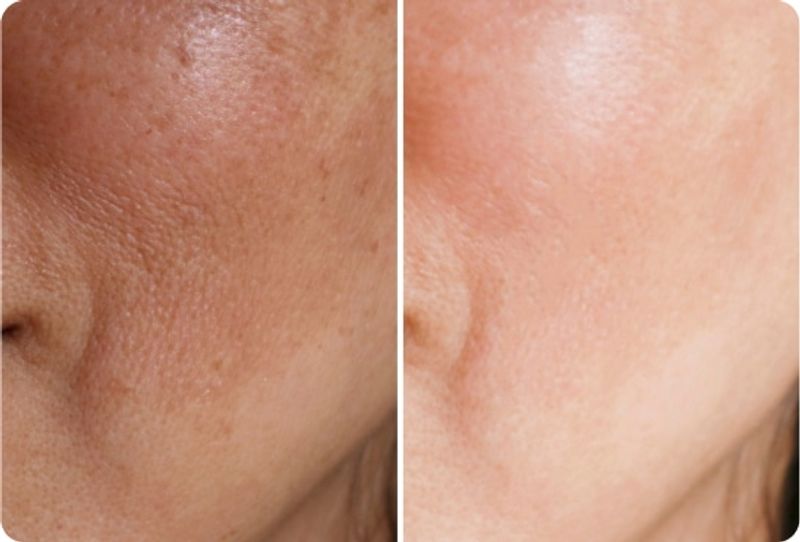
Hyperpigmentation
Your journey
What can you expect?
- 1
STEP ONE
Consultation
A personal conversation about your skin, concerns and medical background — the foundation for a tailored treatment.
- 2
STEP TWO
Analysis
Our skin specialists analyze your skin type and condition to determine the right treatment protocol.
- 3
STEP THREE
Treatment
Your treatment is performed using the latest technologies and premium products for optimal results.
- 4
STEP FOUR
Aftercare
After your treatment, you receive personalized product advice to maintain your results at home.
Questions? We have answers.
What is hyperpigmentation and how does it develop?
Hyperpigmentation is an umbrella term for dark spots or an uneven skin tone that develops due to excessive production of melanin, the pigment that gives skin its colour. Melanocytes (pigment cells) are stimulated by UV radiation, hormonal fluctuations, inflammation or skin damage. The result is dark patches that can appear anywhere on the body but most commonly on sun-exposed areas such as the face, neck and hands. Hyperpigmentation is harmless but cosmetically bothersome for many people.
What types of hyperpigmentation are there?
There are three main types. Sun spots (lentigo solaris) are brown marks from years of sun exposure, typically on hands, decollete and face. Melasma is a symmetrical pattern of dark patches, often on cheeks, nose and forehead, strongly related to hormonal influences (pregnancy, contraceptive pill). Post-inflammatory hyperpigmentation (PIH) develops after inflammation, such as acne, eczema or a wound, and is darker in people with darker skin tones. Each type requires a different approach. Our skin therapist establishes the type at intake.
Which treatments are most effective for hyperpigmentation at SKIN?
For hyperpigmentation we offer targeted treatments at SKIN: chemical peels with glycolic acid or TCA that renew the upper skin layers and drive out pigment, IPL treatment (Intense Pulsed Light) that specifically breaks down melanin pigment, the Carbon Laser Facial for superficial pigmentation spots, and PRX-T33 for deep stimulation without flaking. Melasma requires a more cautious approach due to the risk of recurrence: our skin therapist combines multiple treatments and always emphasises strict SPF.
How many sessions do I need for visible improvement of pigmentation spots?
This depends strongly on the type and depth of the pigmentation. Superficial sun spots typically respond positively after 2 to 4 treatments. Melasma and deep PIH require 6 to 8 or more sessions and a long-term home routine. Our skin therapist draws up a realistic treatment plan at intake with expected results per stage. Progress is monitored throughout and the plan is adjusted as needed.
Can I have pigmentation treatment in summer?
Pigmentation treatment requires extra attention in summer. Peels and laser treatments make the skin temporarily more sensitive to UV, which can cause new pigmentation if the skin is exposed to unprotected sun. Our skin therapist chooses gentler protocols in the summer months and emphasises strict SPF 50 application after each session. It is better to plan more intensive pigmentation treatments in autumn and winter.
Which home care helps with hyperpigmentation?
Daily SPF 30 or higher is the most critical step: without sun protection pigmentation spots return regardless of treatment. Other effective home ingredients are vitamin C (antioxidant, inhibits melanin production), niacinamide (evens skin tone), azelaic acid (effective for PIH and melasma), retinol (accelerates cell turnover, disperses pigment) and kojic acid. Our skin therapist advises at the Product Consultation which ingredients in which order are most effective for your type of pigmentation.
Can hyperpigmentation completely disappear?
Superficial sun spots and mild PIH can substantially fade or completely disappear with consistent treatment and good home care. Melasma is a chronic condition strongly driven by hormones: it can improve considerably, but with ongoing hormonal triggers (sun, pill, stress) it returns. Our skin therapist sets realistic expectations at intake and works towards structural, long-lasting improvement rather than a quick fix.
Is hyperpigmentation treatment safe during pregnancy?
Many women develop melasma during pregnancy (pregnancy mask). Intensive treatments such as TCA peels, IPL and lasers are not recommended during pregnancy. Mild hydrating massages and LED light therapy are generally safe. The best approach during pregnancy is strict SPF protection to prevent further pigmentation, and to start treatment after delivery. Our skin therapist is happy to give you personalised advice. Always discuss it with your midwife or GP.
Get advice from our specialists
Every skin concern deserves a personalised approach. Book a free, no-obligation consultation and discover which treatment suits you best.