
Home / Concerns / Combination Skin
Skin Concern
Combination Skin
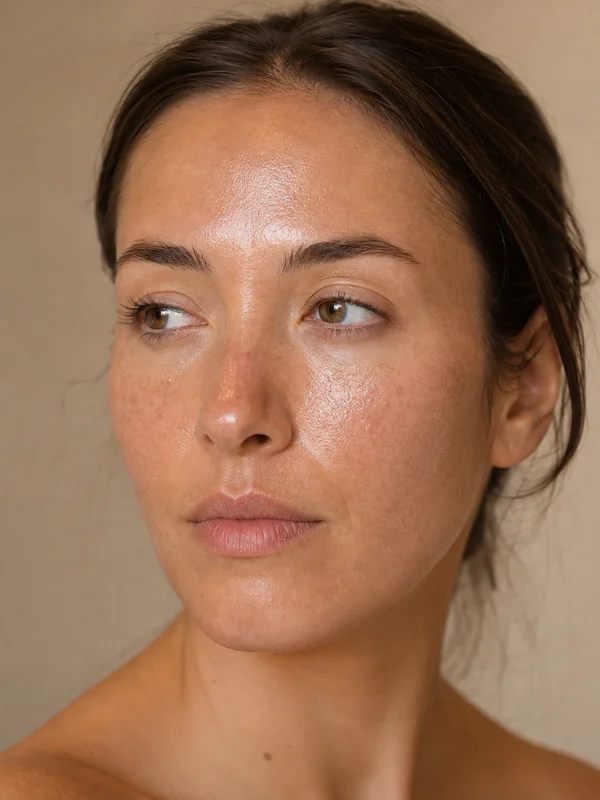
With combination skin, the T-zone is oily while cheeks are dry or normal. Our specialists analyze your skin zone by zone and create a treatment plan that restores balance, giving each area exactly the care it needs.
4.9 Google Rating · Free, no-obligation consultation
What is Combination Skin and who is it for?
With combination skin, the T-zone is oily while cheeks are dry or normal. Our specialists analyze your skin zone by zone and create a treatment plan that restores balance, giving each area exactly the care it needs.
Signs
Symptoms & signs
- Oily T-zone (forehead, nose, chin)
- Dry or normal cheeks
- Enlarged pores on nose
- Occasional breakouts in oily areas
- Uneven skin texture
- Difficulty finding right products
Treatments
How do we treat it?
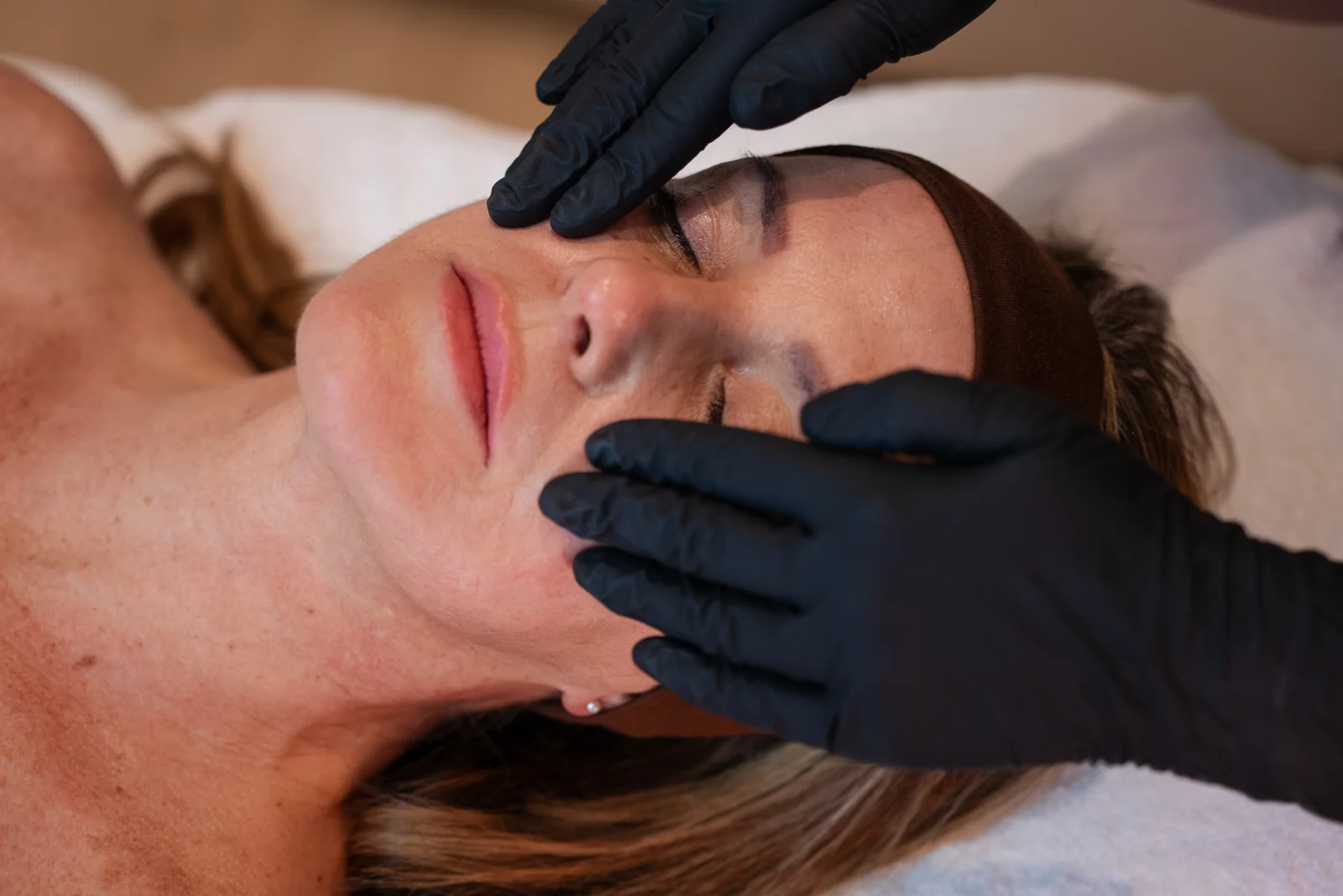
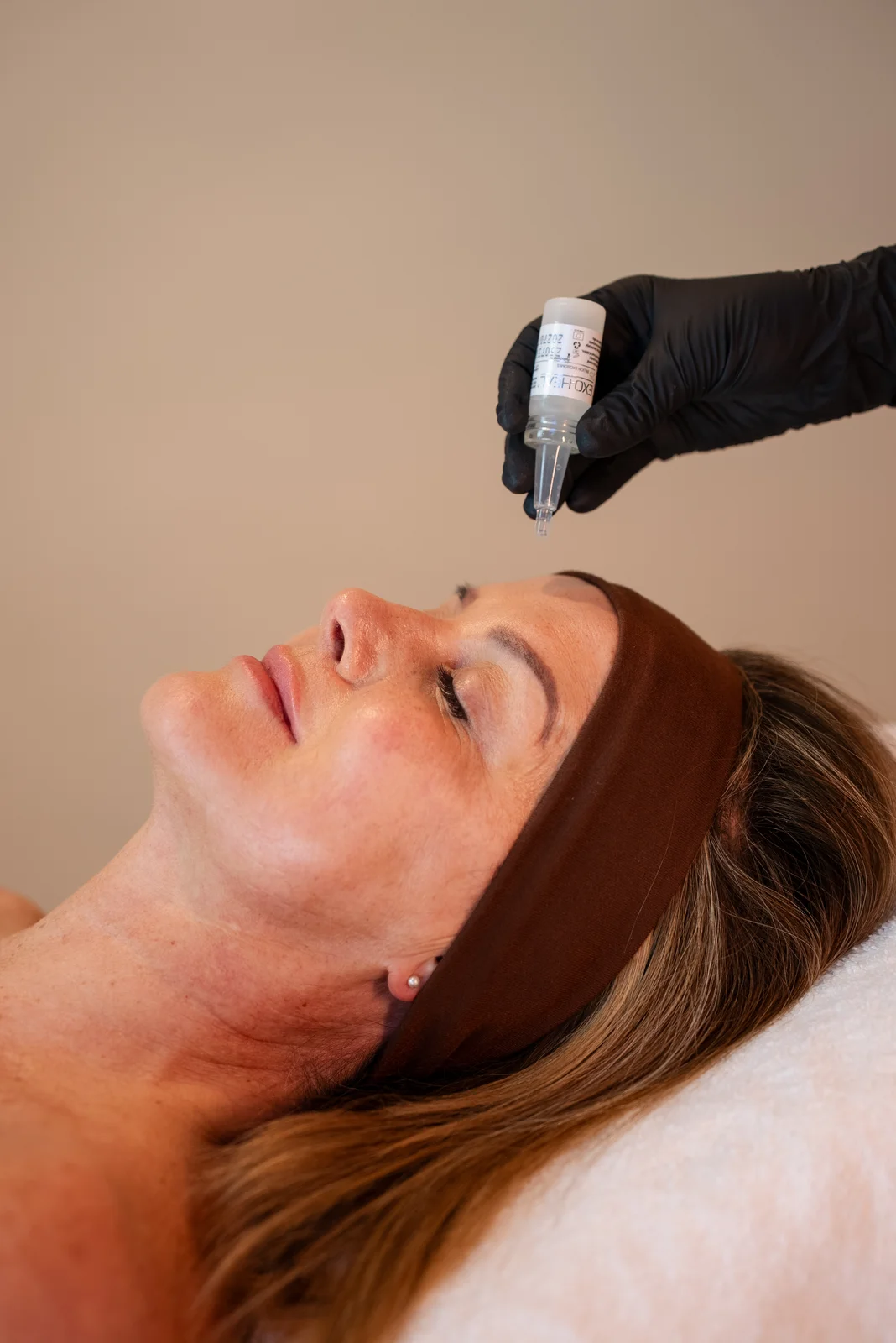
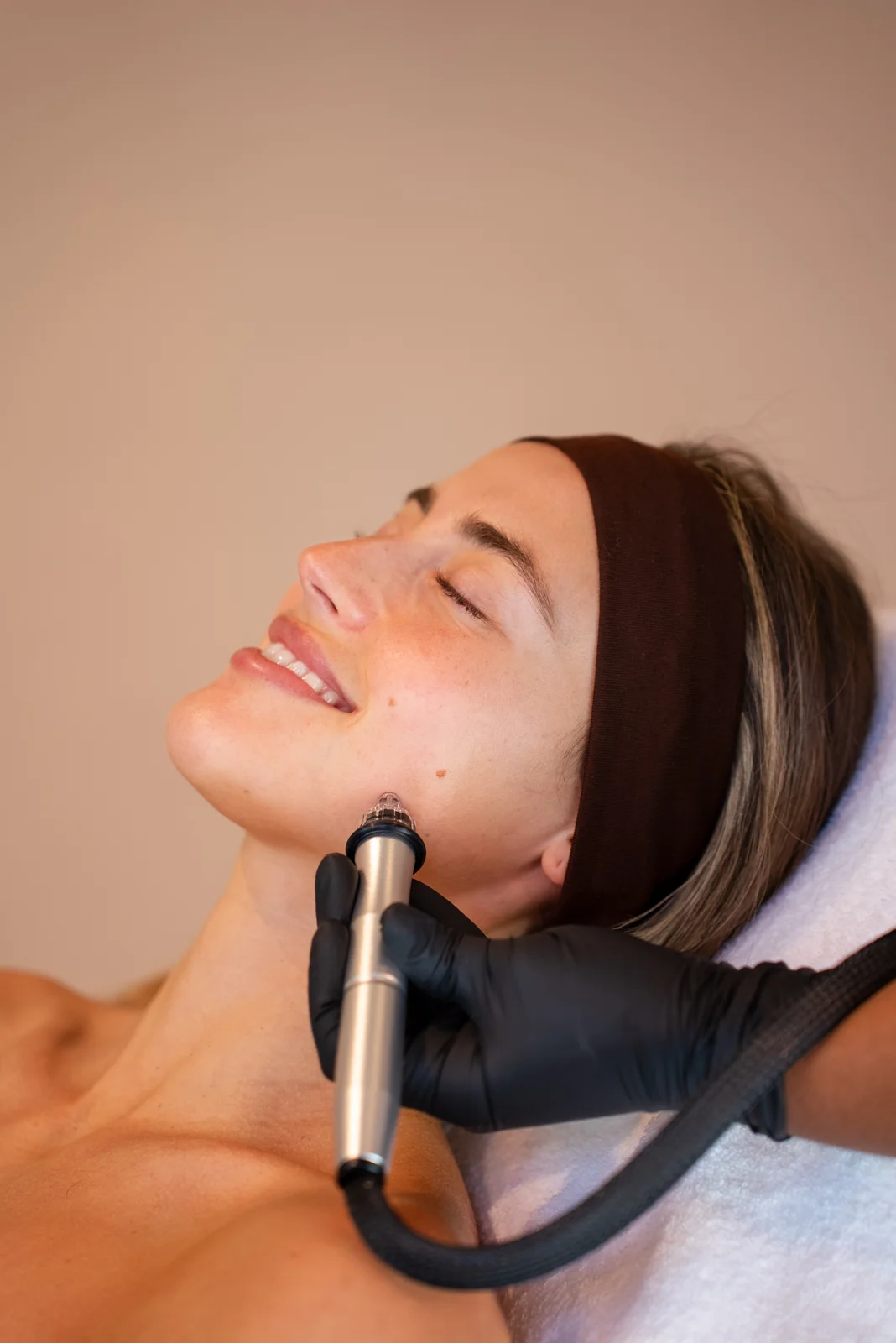
Our range of treatments, tailored to your skin and concerns.
Your journey
What can you expect?
- 1
STEP ONE
Consultation
A personal conversation about your skin, concerns and medical background — the foundation for a tailored treatment.
- 2
STEP TWO
Analysis
Our skin specialists analyze your skin type and condition to determine the right treatment protocol.
- 3
STEP THREE
Treatment
Your treatment is performed using the latest technologies and premium products for optimal results.
- 4
STEP FOUR
Aftercare
After your treatment, you receive personalized product advice to maintain your results at home.
Questions? We have answers.
What is combination skin and how do I recognise it?
Combination skin is the most common skin type and is characterised by an oily T-zone (forehead, nose and chin) and dry or normal cheeks. The T-zone has more sebaceous glands, making this area more prone to shininess and blackheads or spots. The cheeks can simultaneously feel dry, tight or sensitive. The challenge with combination skin is finding products and treatments that treat both zones well without further drying out the dry areas or overfeeding the oily areas.
What are the causes of combination skin?
Combination skin is largely genetic in origin: the distribution of sebaceous glands varies per zone of the face. Hormones also play a role: testosterone stimulates sebum production, which is stronger in the T-zone. Other factors influencing combination skin are stress, diet, climate and incorrect skincare. Too oily products on the T-zone worsen the problem, as do too drying products on the cheeks. Our skin therapist helps you find a balanced routine.
Which treatments at SKIN are suitable for combination skin?
Combination skin requires a treatment that addresses both zones. The Aqua Peel is ideal because our skin therapist can use a different serum per zone. A mild chemical peel (Essential or Advanced) treats the T-zone and improves the overall complexion. LED light therapy with a combination of blue and red light helps both the oily and dry zones. At intake the skin therapist determines which combination is most suitable.
Can I use the same products all over my face with combination skin?
You can, but it is not always optimal. A lighter, gel-based moisturiser works for both zones, but the dry cheeks sometimes need extra nourishment. Consider a multi-masking approach: a kaolin mask on the T-zone and a nourishing mask on the cheeks. A good SPF is essential for all zones. Our skin therapist discusses at the Product Consultation which products best suit your specific combination skin profile.
Does combination skin change with the seasons?
Yes, that is very common. In summer the T-zone is often shinier and sebum production is higher due to heat and perspiration. In winter the skin can feel drier and more tense, even in the T-zone. It is wise to adapt your skincare routine and treatment frequency to the seasons. Our skin therapist helps you choose the right protocol for each season.
How many treatments do I need for combination skin?
For regular maintenance of combination skin, 1 treatment every 4 to 6 weeks is ideal. For specific concerns such as persistent pores in the T-zone or dry patches on the cheeks, our skin therapist starts with a more targeted course of 4 to 6 sessions. After the course we switch to monthly maintenance. After 2 to 3 sessions you will notice a noticeably more balanced skin.
Which make-up is best for combination skin?
For combination skin a light, water-based foundation works best. Use a primer on the T-zone to control shine and powder only on oily zones. Avoid heavy full-coverage foundations that clog the pores of the T-zone. A non-comedogenic, SPF-containing BB cream or tinted moisturiser is ideal for daily use. Our skin therapist also provides make-up tips alongside your skincare advice.
Is treatment for combination skin safe during pregnancy?
Most treatments for combination skin, such as the Aqua Peel, nourishing masks and LED therapy, are well-tolerated during pregnancy. Our skin therapist adapts the protocol and omits treatments with strong acids. Always discuss with your midwife or GP which treatments you are considering. SKIN is ready to draw up a safe treatment plan.
Get advice from our specialists
Every skin concern deserves a personalised approach. Book a free, no-obligation consultation and discover which treatment suits you best.